






Use the step-by-step instructions below to learn how to draw a leopard resting on a tree branch. Follow along with the video, or use the images in this article. By the end of this tutorial, even beginners will have a completed drawing of this majestic big cat!
Love drawing? Keep your artistic streak going and enjoy more free art lessons by:
- Bookmarking the How2DrawAnimals.com homepage for updates
- Subscribing to the How2DrawAnimals YouTube channel
- Visiting EasyDrawingTutorials.com for tons of free cartoon tutorials
This page contains affiliate links. If you choose to purchase through these links, I earn a small commission at no extra cost to you.
All the free art lessons on How2DrawAnimals.com are easy to follow; they teach you the basics while showing you how to render animals step by step. Each tutorial has a video tutorial option, as well as step-by-step photos and written text to follow. After you're done here, try another tutorial!
RELATED TUTORIALS
 |
 |
 |
To draw this leopard step by step, follow along with the video tutorial below and pause the video after each step to go at your own pace. You may find it easier to follow the step-by-step images below the video. You may want to open the video in a new tab and use both drawing methods. Take your time and create art at your own pace.
Materials You'll NeedBefore starting, gather these basic drawing supplies from Dick Blick. If you choose to purchase through these links, I earn a small commission at no extra cost to you. |
||
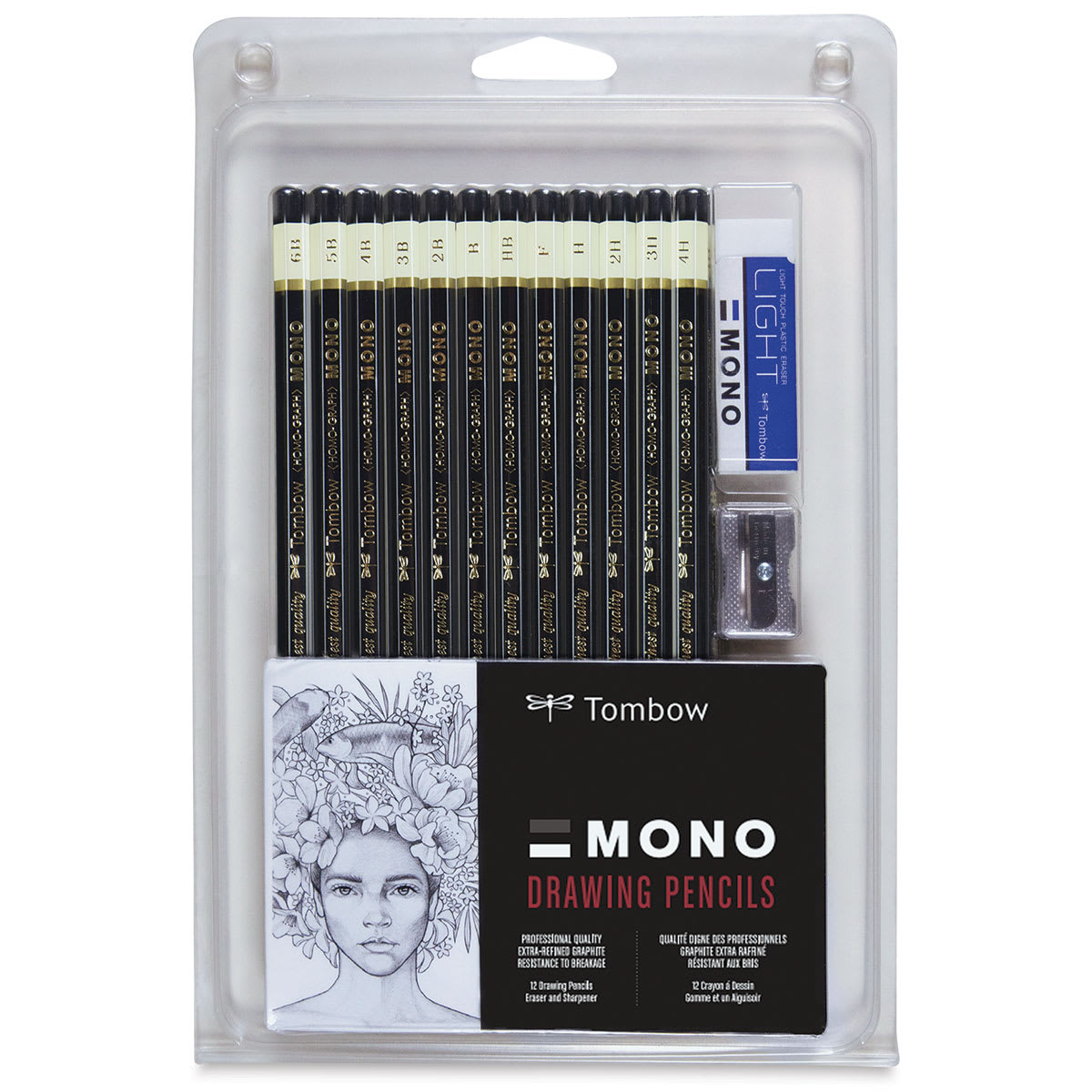 (an HB lead pencil is best for light sketches) |
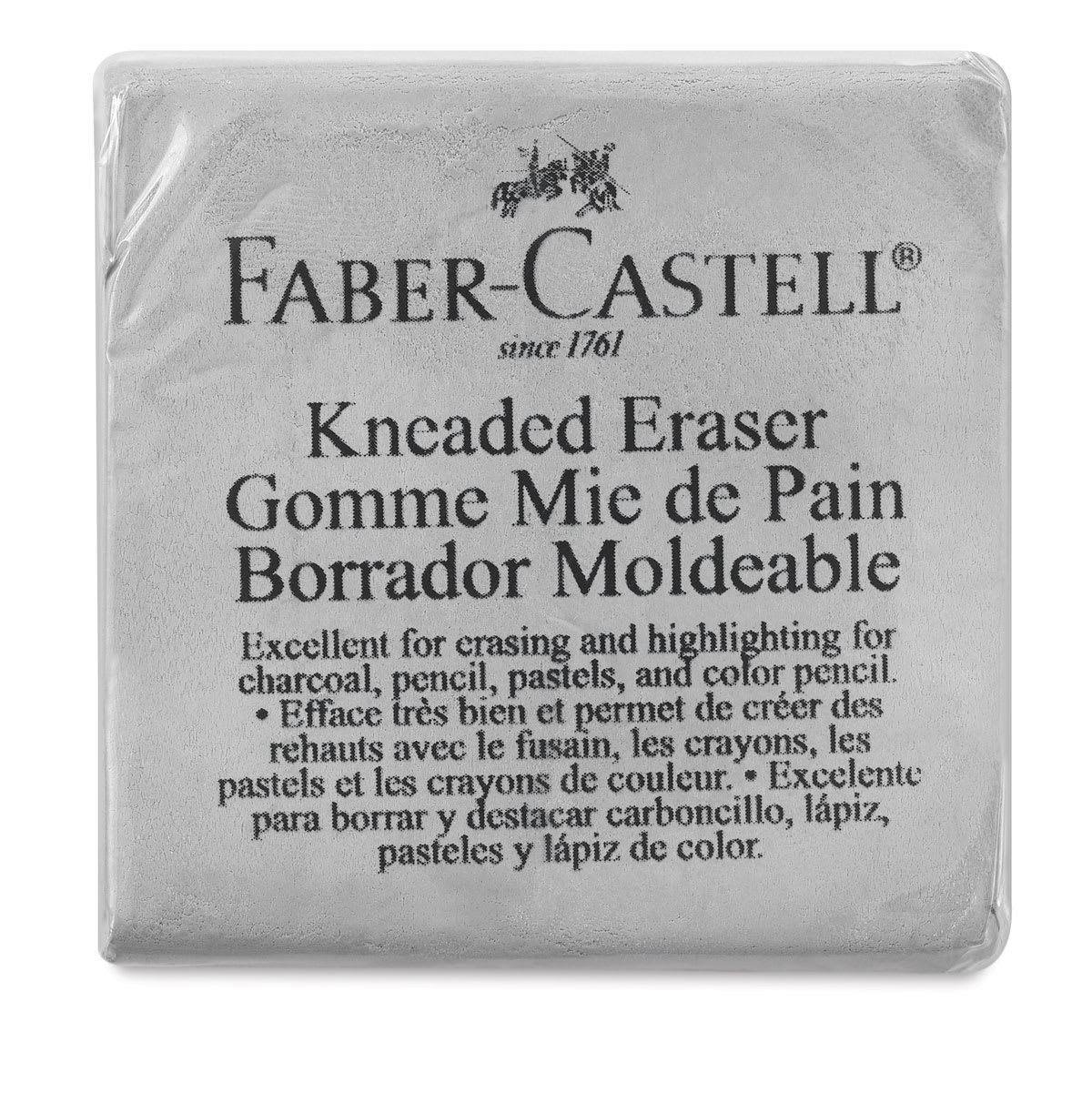 |
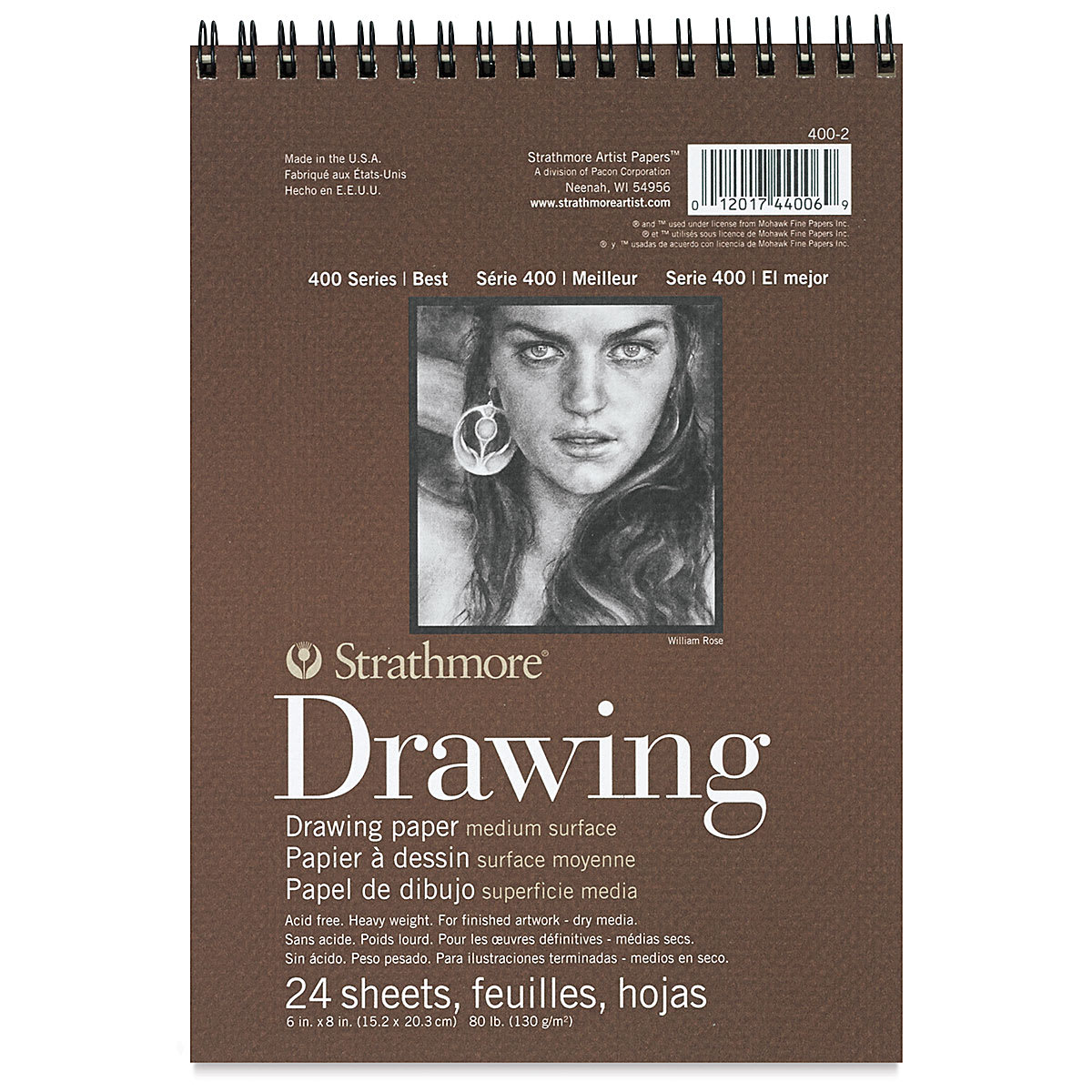 |
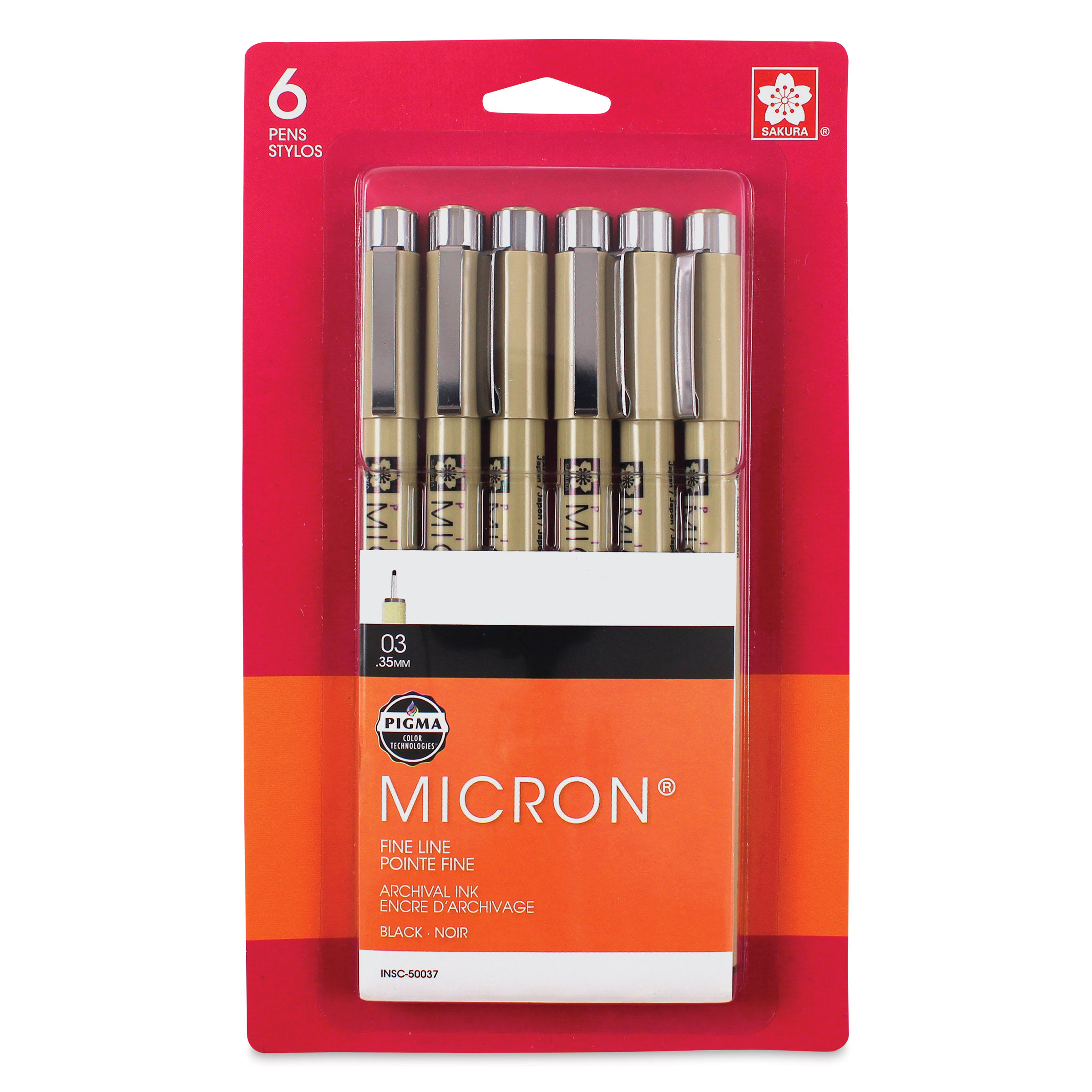 (or Fine-Line Marker) |
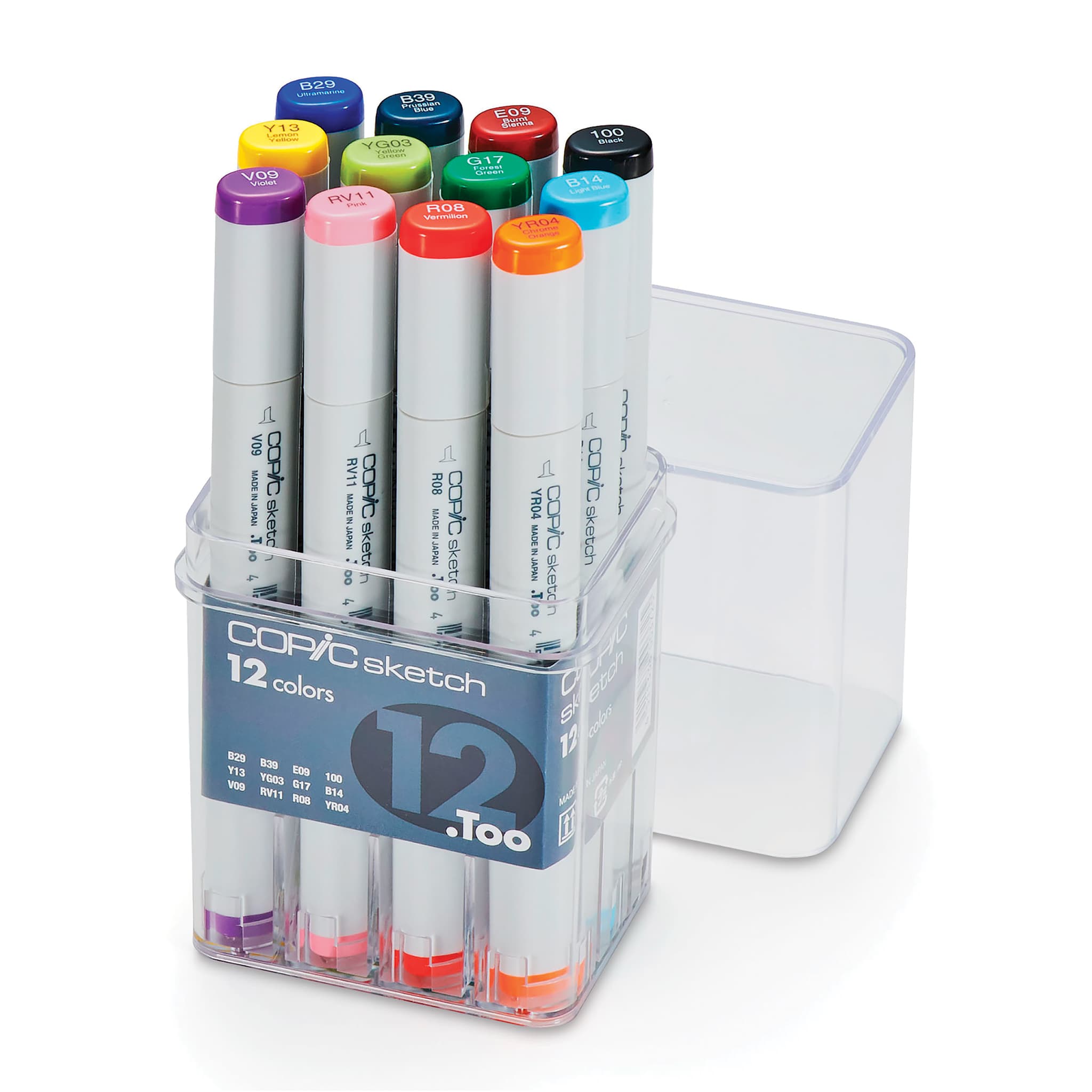
 (or Markers) |
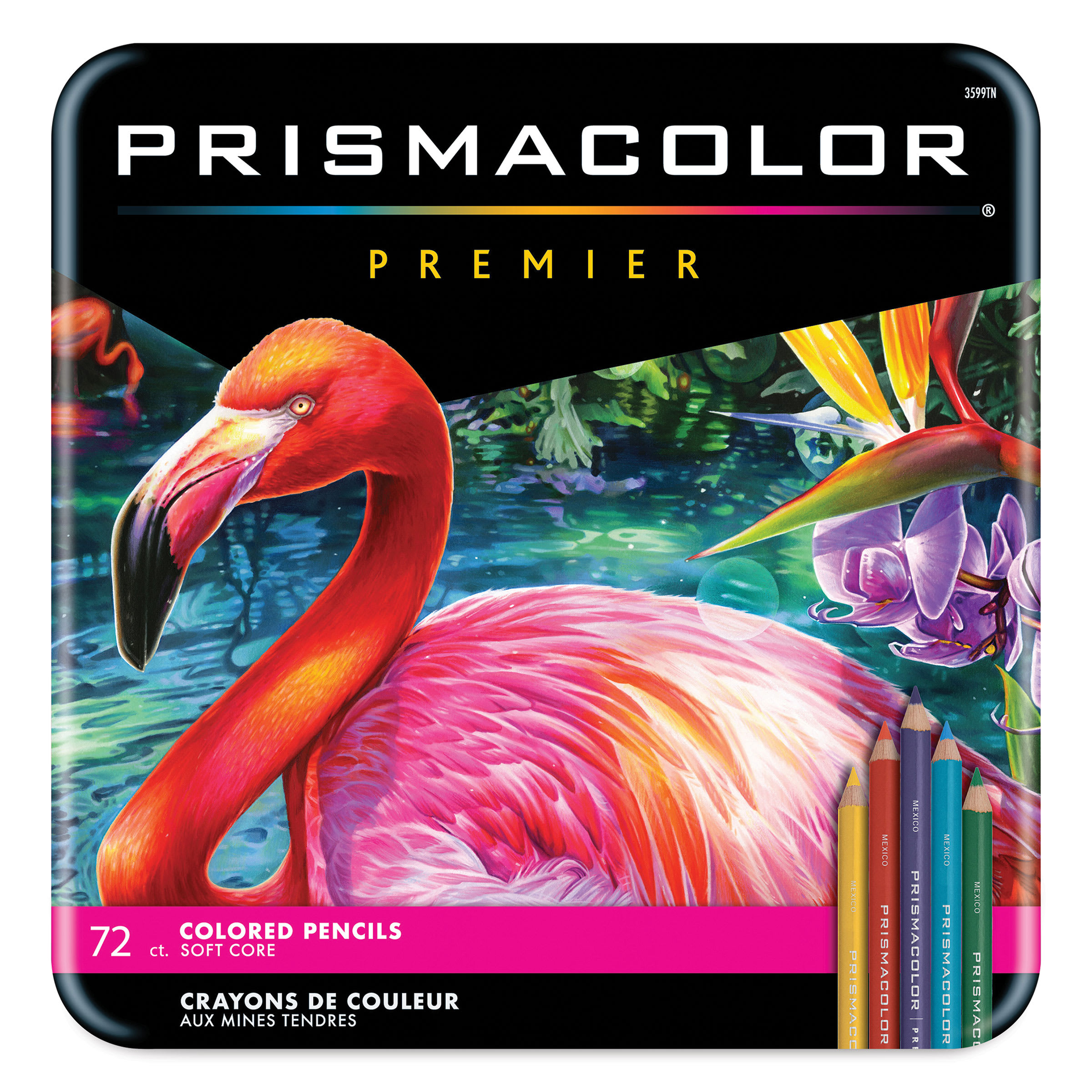
 (or Colored Pencils) |
x

Step 1: Establishing the Guidelines
Before diving into the fine details, establish a solid foundation by sketching light construction guides. This ensures your proportions are accurate before committing to final lines.
Proportional Circles
- The Head: Near the top left of your page, lightly sketch a circle. Mark the desired height and width with small dashes first, then connect them with curved lines, or trace a small circular object like a coin.
- The Front Torso: Below the head circle, draw a second circle roughly twice the size of the head circle. Make sure they do not overlap.
- The Rear Torso: To the right, sketch a third circle slightly lower than the front torso guide, keeping them roughly the same size. Do not place them too close together.
The Tree and Limbs
- The Tree Branch: Draw a long, sloping line cutting downward from left to right, overlapping the lower sections of both body circles. Draw a second parallel line beneath it to give the branch thickness.
- Torso Outline: Connect the two large body circles using short, sloping lines at the top and bottom to finalize the structural guide for the torso.
- Limbs and Tail: Draw an angled line under the front circle for the front leg, bending it to mark the joints. Add an angled line under the rear circle for the hind leg, bending it near the middle. Extend a long, curved line from the rear circle for the tail.
- Facial Guides: Draw a curved horizontal line across the center of the head and a curved vertical line down the middle. Sketch a small circle on the bottom half for the muzzle, and add two small arcs on top of the head for the ears.

Step 2: Drawing the Face Details
With the framework in place, begin drawing the leopard's facial features. Sketch lightly at first, only darkening your lines once you are satisfied with the shapes.
The Face
- Eyes: Place two small circles on top of the horizontal facial guide on either side of the vertical line. Flatten the top edges, taper the outer corners to make them pointy, and add tiny dots in the center for the pupils. Use short strokes around the eyes to mimic fur.
- Nose and Mouth: Sketch a large triangle inside the muzzle close to the left edge. Darken the top with a wavy line, curve the edges for the nostrils, and taper the bottom into a sharp point. Draw a line that splits into two beneath the nose to form the mouth.
- Head and Ears: Outline the muzzle up toward the inner corners of the eyes. Define a slightly flattened chin curve beneath the mouth. Darken the ear arcs to be more angular, adding short interior strokes for fur. Trace the main head circle, adding a slight wave to the left side and a curved lower jaw.

Step 3: Building the Body and Limbs
Flesh out the rest of the leopard's muscular frame and the tree branch it's resting on.
The Body and Limbs
- Foreground Legs: Sketch the leg contours around your guidelines, making them wide at the top and tapered toward the bottom. Finish the paws with small, U-shaped lines to separate the toes.
- Resting Paw: Below the head and on the left side of the body, sketch a pentagon-like shape overlapping the tree branch to represent the front paw resting flat.
- Torso and Tail: Outline the main body by connecting your initial circles with structured curves, keeping the belly slightly lower than the top edge of the branch. Draw a parallel curved line next to your tail guide to make it look thick and long.
- Background Foot and Branch: Underneath the branch, draw a small curved shape with a couple of short lines for the visible toes of the far hind foot. Darken the tree branch lines completely, ensuring you do not overlap the big cat's limbs.

Step 4: Inking and Cleaning the Line Art
With all elements firmly constructed in pencil, lock down your final details and remove the guiding lines.
Fine Line Execution
- Permanent Outlines: Carefully trace over your final detail lines with a black ink pen or permanent fine-tip marker. Avoid inking any structural guidelines or sketch marks.
- Erasing Construction Lines: Allow the ink to dry completely to prevent smudging. Use a soft eraser to gently wipe away all remaining pencil lines, leaving a clean sheet of crisp line art ready for the coloring process.

Step 5: Base Colors, Volume Shadows, and Fine Patterns
Establish your base colors and take your time adding the spot pattern.
Adding Color Tones and Head Details
- Base Tones: Fill in the leopard's coat with yellow, yellow-orange, and a light touch of brown. Keep the chest area and lower half of the muzzle uncolored due to the white fur there.
- Shadow Dimensions: Render shadows consistent with the light source with brown, and use light gray when shading the white areas.
- Facial Spot Allocation: Draw small black dots on the head, making them larger near the outer edges. Form straight rows of tiny spots on the snout for the whisker base. Don't include any spots on the chin or bridge of the muzzle.
- Leg and Paw Patterns: Make solid black spots down the front and rear legs. Spots should be large and rounded near the upper joints, then gradually get smaller toward the paws.

Step 6: Executing Torso Rosettes and Branch Textures
Complete your illustration by carefully styling the leopard's distinct rosettes and finalizing the bark texture on the branch.
Final Torso and Environmental Details
- Rosette Construction: Group small black spots closely together along the torso to construct broken-up rings called rosettes. Follow the natural anatomical curves of the leopard's body. Make sure the center of each rosette is open. Remember that leopard rosettes do not have a central spot like jaguars do.
- Tail Tapering: Rosettes become large individual spots again at the tail, and they become complete black bands or stripes at the tip.
- Bark Rendition: Finish coloring and shading the branch with brown, and include some cast shadows created by the big cat.
- Outlining Accent: Re-ink your primary structural lines one final time over the colors to make your drawing look complete!
Buy My Step-by-Step Art Books on Amazon!
If you enjoyed drawing with me and want to expand your artistic skills, please consider checking out my step-by-step drawing books on Amazon! My books break down a wide variety of animals into simple geometric shapes, making it easy and fun for artists of any skill level to follow along. Every purchase directly helps support this site so I can keep creating high-quality, free tutorials for the art community.
This is an Amazon affiliate link. If you choose to purchase through this link, I earn a small commission at no extra cost to you.
Click Here to Order Your Copy Today!
Thanks for visiting! Subscribe to the How2DrawAnimals YouTube Channel for new tutorials every week.
And to learn how to draw cartoons, visit EasyDrawingTutorials.com.
RELATED TUTORIALS
|
|
|