





Use the step-by-step instructions below to learn how to draw a pair of chickadees on a tree branch. Follow along with the video, or use the images in this article. By the end of this tutorial, even beginners will have a completed drawing of these beautiful wild birds!
Love drawing? Keep your artistic streak going and enjoy more free art lessons by:
- Bookmarking the How2DrawAnimals.com homepage for updates
- Subscribing to the How2DrawAnimals YouTube channel
- Visiting EasyDrawingTutorials.com for tons of free cartoon tutorials
This page contains affiliate links. If you choose to purchase through these links, I earn a small commission at no extra cost to you.
All the free art lessons on How2DrawAnimals.com are easy to follow; they teach you the basics while showing you how to render animals step by step. Each tutorial has a video tutorial option, as well as step-by-step photos and written text to follow. After you're done here, try another tutorial!
RELATED TUTORIALS
 |
 |
 |
To draw these birds step by step, follow along with the video tutorial below and pause the video after each step to go at your own pace. You may find it easier to follow the step-by-step images below the video. You may want to open the video in a new tab and use both drawing methods. Take your time and create art at your own pace.
Materials You'll NeedBefore starting, gather these basic drawing supplies from Dick Blick. If you choose to purchase through these links, I earn a small commission at no extra cost to you. |
||
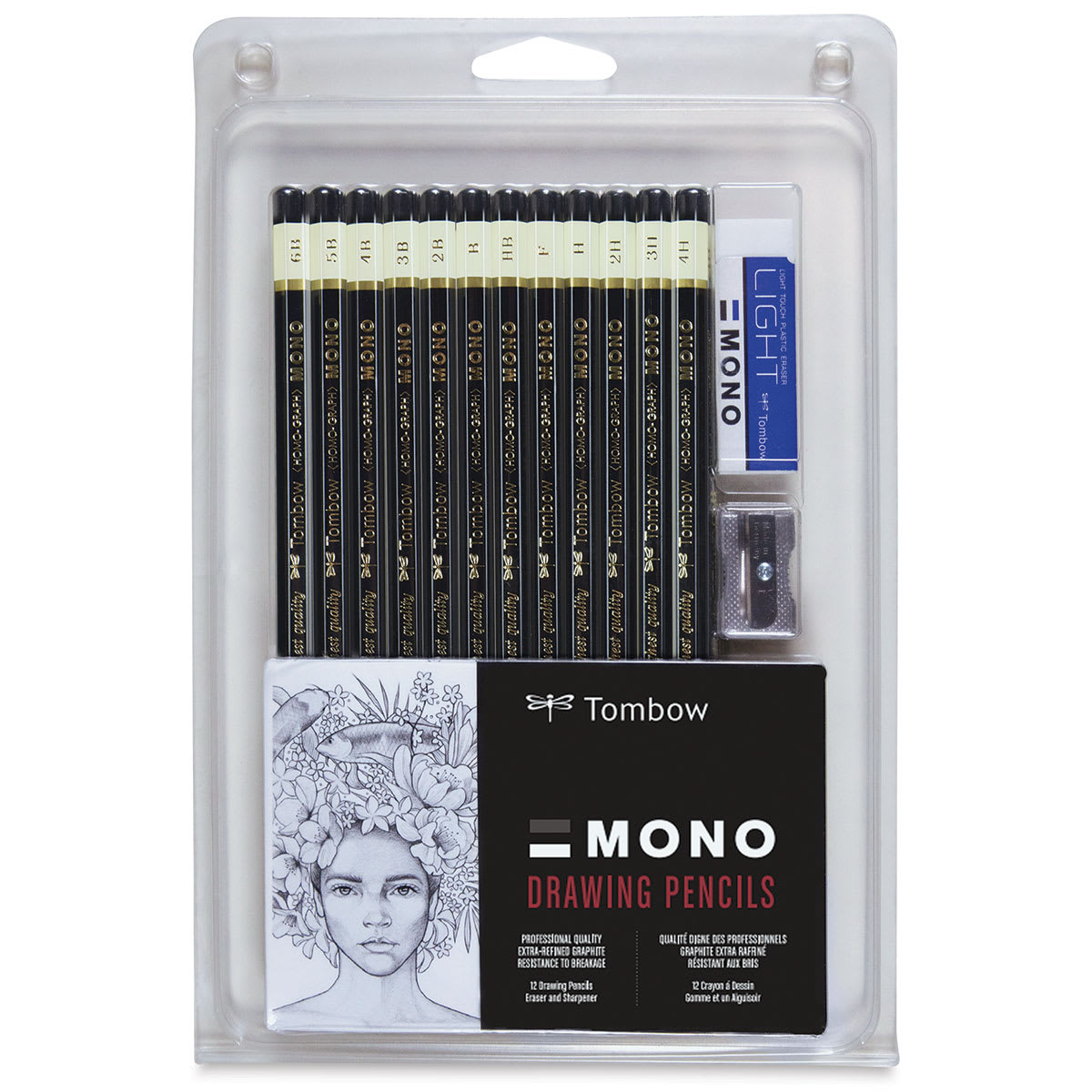 (an HB lead pencil is best for light sketches) |
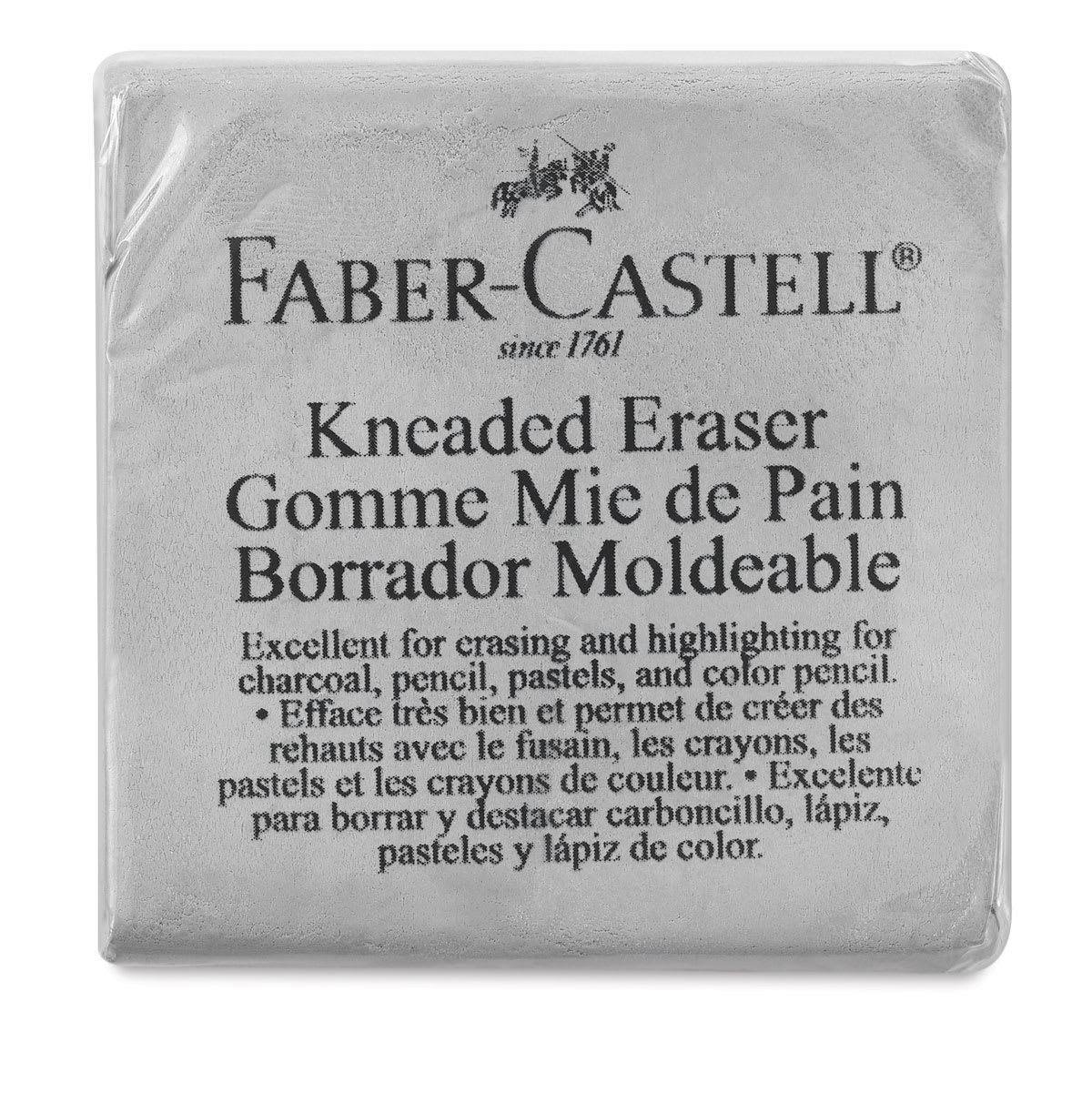 |
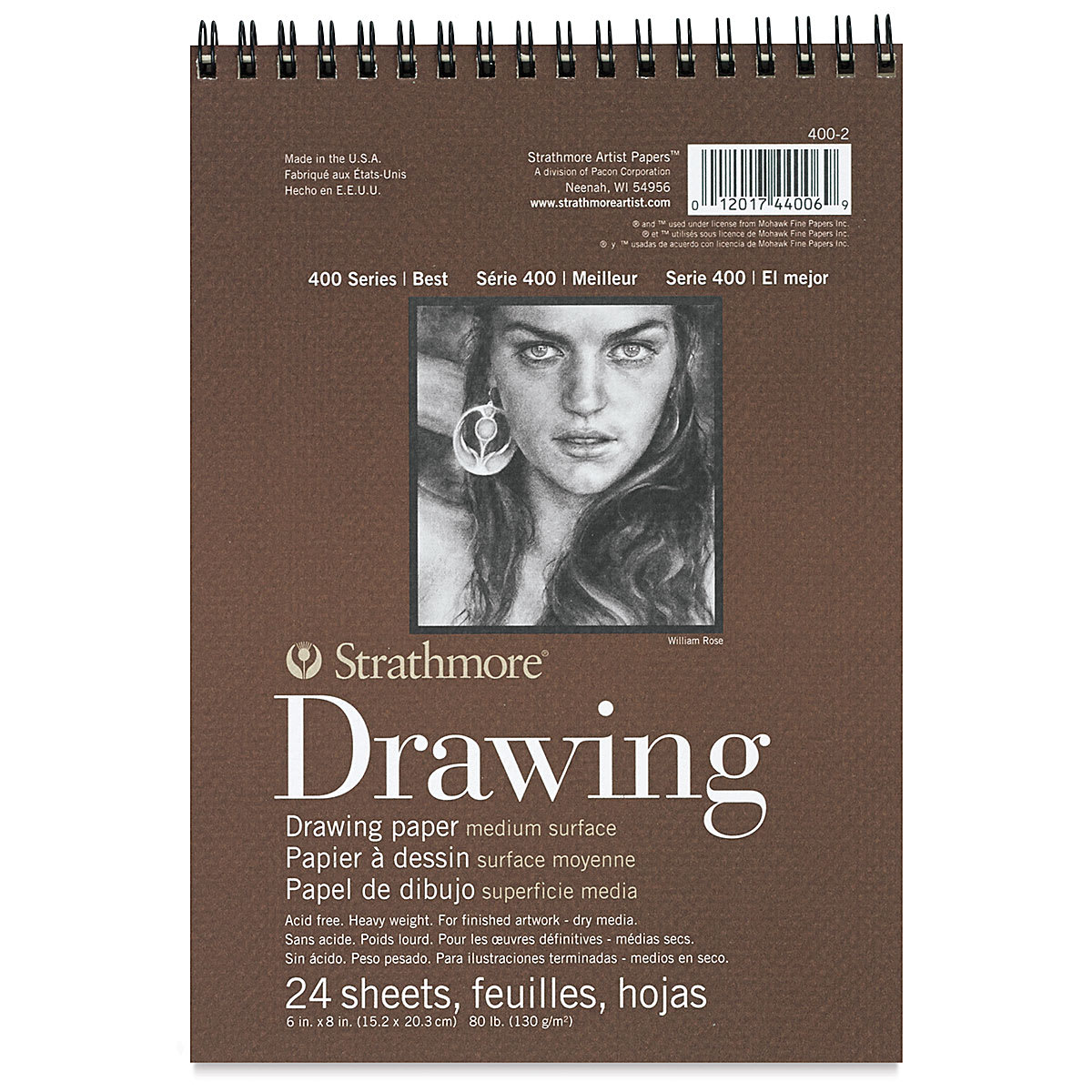 |
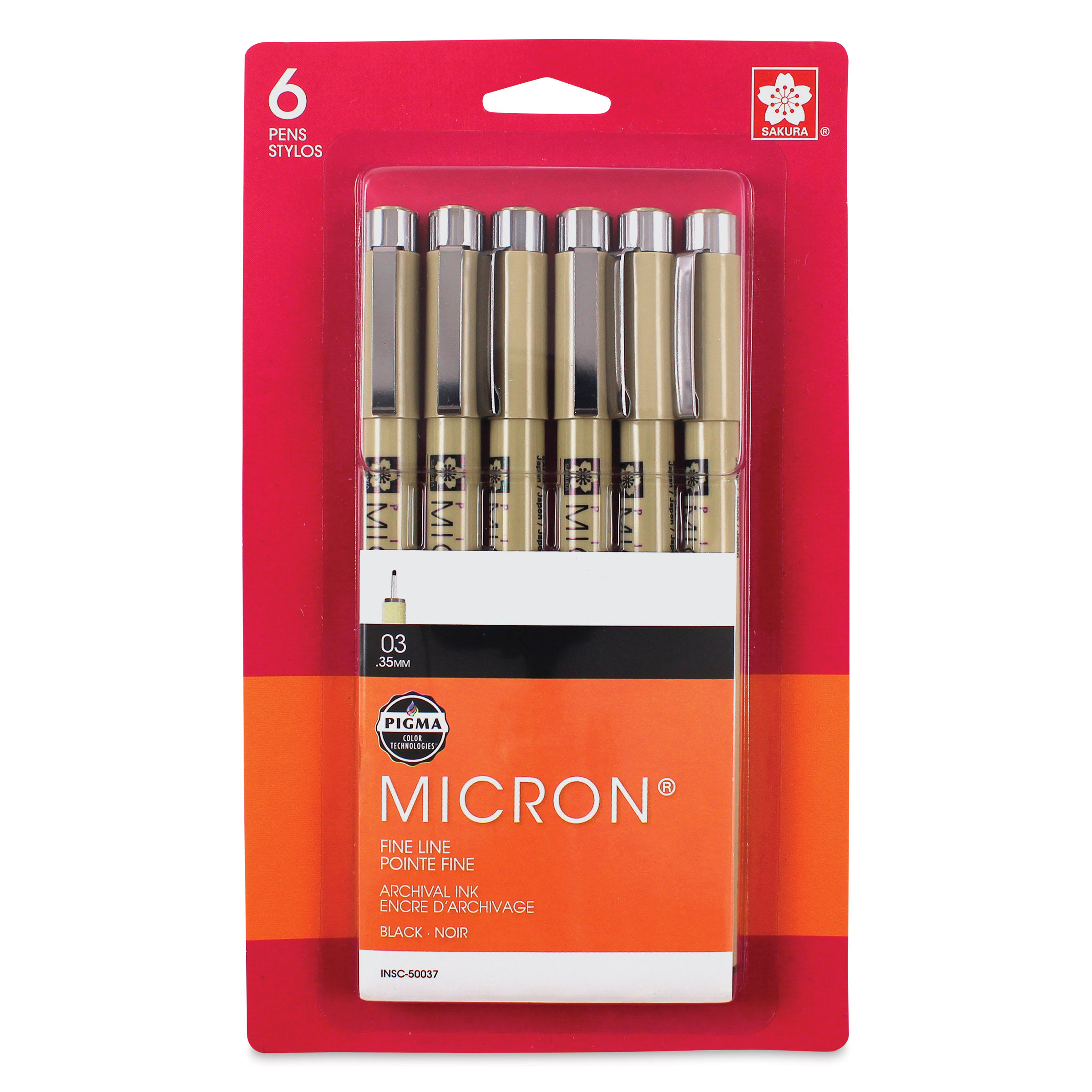 (or Fine-Line Marker) |
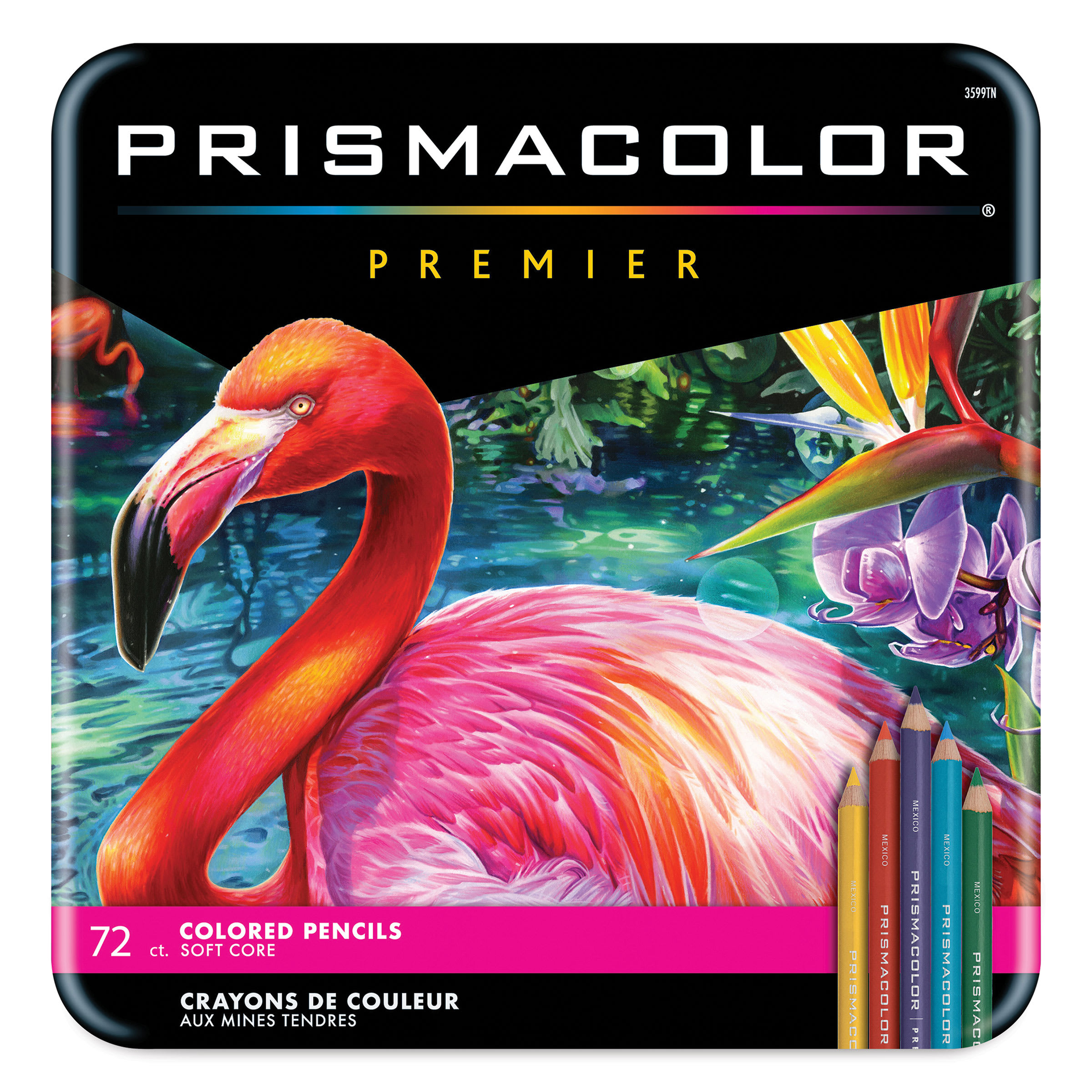 (or Markers) |
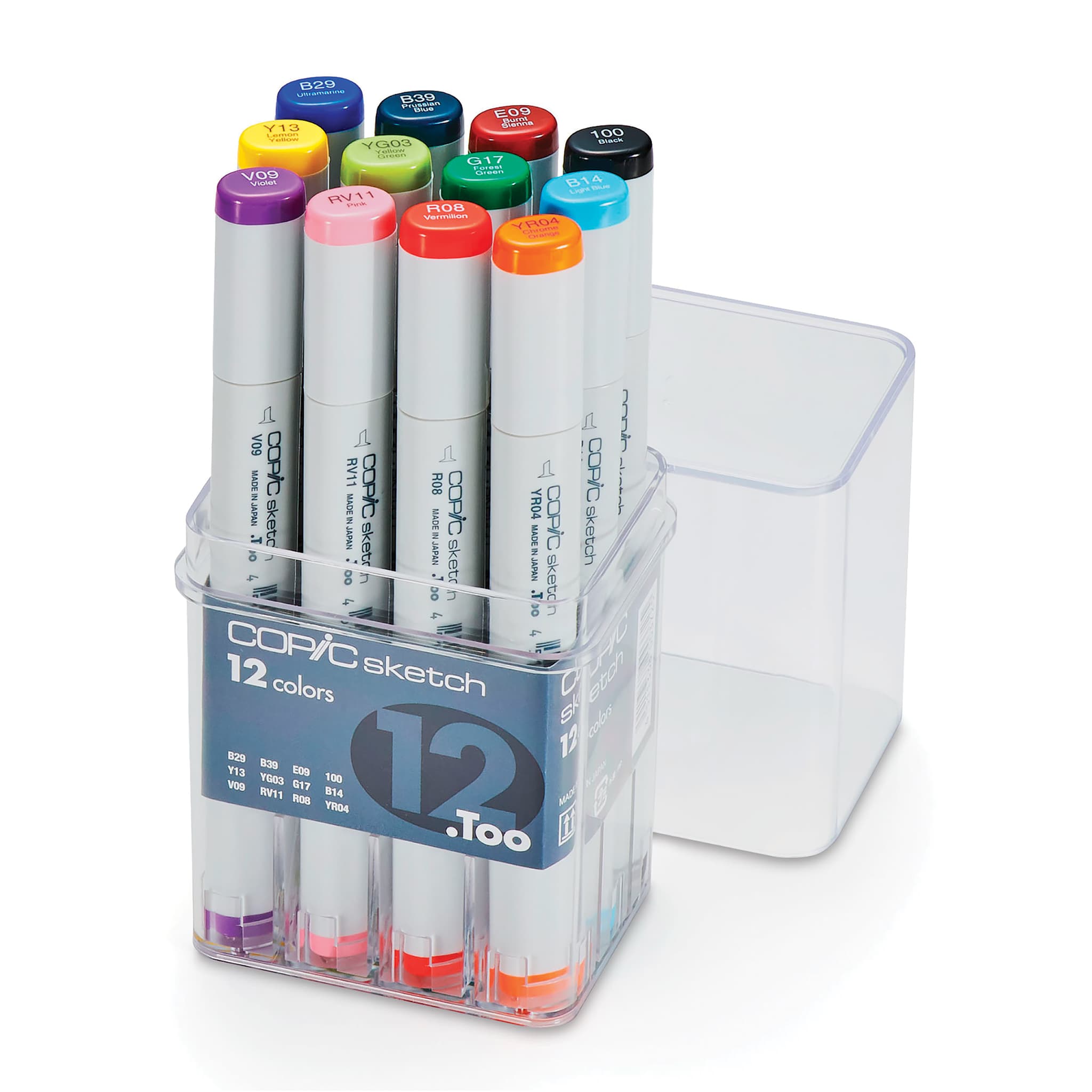 (or Colored Pencils) |
x

Step 1: Draw the Head and Body Guides for the Left Chickadee
Start by sketching the structural framework for the chickadee on the left side of your page.
Proportional Circles
- Head Guide: Draw a circle to establish the size of the head. Make quick, light marks for the circle's height and width first, then connect them with smooth, curved lines. Trace the edge of a small coin or bottle cap if you need assistance with the circular layout.
- Body Guide: Position a larger circle on the bottom left side of the head framework. Apply the same four-point marking technique, making this shape roughly one and a half times the size of the head circle.

Step 2: Add Facial Guidelines, Mirror Bird, and Tree Branch Guide
Build out the surrounding anatomy features and establish the second bird's position alongside the environmental base.
Left Bird Layout Details
- Construction Lines: Sketch a horizontal line directly across the middle of the head circle. Place a small triangle on the right side of the head to represent the beak guide.
- Neck and Tail: Connect the head to the body circle with broad, sloping lines to form a wide neck. Extend a long, straight sloping line from the bottom left side of the body for the tail guide, making it roughly the combined length of the head and body. Add a curved lower belly guide and short foot ticks underneath.
Right Bird Construction & Branch Support
- Inverted Mapping: Sketch a mirrored head circle on the right side of the page, placing it slightly lower than the first bird's head. Build a larger body circle on the bottom right side. Since this bird faces left, mirror the construction line, beak triangle, neck lines, tail guide, lower body shape, and foot ticks.
- Branch Foundation: Draw a long, continuous sloping line running underneath both birds. Bend the angle of the line slightly to intersect directly with where the feet guidelines sit.

Step 3: Render Facial Details for the First Chickadee
Move into the final pencil layout stage by focusing heavily on the facial details of the left chickadee.
Eyes and Beak Definition
- Eye Components: Lightly place a small circle on top of the horizontal guideline, keeping it near the right edge of the head. Darken the path once satisfied, leaving a tiny inner circle blank for a catchlight and shading a larger inner circle for the pupil. Define structure with small creases surrounding the outer eye.
- Beak and Crown Texturing: Solidify the upper edge of the beak triangle, run a clear horizontal line down the middle for the mouth opening, and trace the lower mandible. Use tiny, rapid pencil strokes to shape the base of the beak, the throat patch, and the distinct plumage color separations across the crown.

Step 4: Render Facial Details for the Second Chickadee
Mirror the exact same detailing process for the chickadee on the right side of the branch.
Facial Mirroring
- Left-Facing Face Elements: Form the small eye circle resting on the construction line near the left side of the head. Map out the tiny white highlight circle and a dark central pupil, then draw surrounding structural creases.
- Beak and Feather Separations: Sharp-sketch the beak triangle on the left, noting the clean horizontal line for the opening mouth. Finish the face by using small, broken pencil strokes to shape the outer edge of the head, the throat line, and the internal feather color divisions.

Step 5: Form the Body, Wings, and Legs of the Left Chickadee
Bring organic structure to the left bird's midsection and lower extremities.
Anatomy Details
- Wing Layering: Sketch a long, sloping line diagonally across the torso guide to delineate the primary folded wing. Add a parallel upper contour line using soft, broken strokes. Trace a visible sliver of the opposite far wing on top of the back, and draw short internal curves to segment individual feathers.
- Belly, Tail, and Legs: Follow the outer layout guidelines with feather-like strokes along the chest. Box out a clean, rectangular tail following the bottom-left guide line. Form parallel pairs of lines over the foot guides to add thickness, mapping out the backward-facing claws gripping the perch.

Step 6: Form the Body, Wings, Legs, and Branch Boundaries
Finalize the pencil detailing for the right chickadee and finalize the surrounding tree environment.
Environmental Anatomy
- Right Torso and Tail Details: Delineate the main folded wing crossing the body horizontally. Add texture lines to reveal individual feather layers. Outline the main body with short, soft strokes, widen the right tail segment, and curve a connecting line to the lower back.
- Leg Contours & Branch Mass: Expand the leg guidelines into realistic limbs, building out long, thin forward-facing toes that hook sharply over the wood with pointy talon tips. Double the original single branch line into a thick, solid piece of wood. Shoot out smaller, tapering offshoots, and lightly trace pillowy, curved shapes on top of the bark to outline snow banks.

Step 7: Trace with Permanent Ink
Carefully lock in the finalized design outlines with ink.
Inking Clean-Up
- Line Control: Work slowly to trace over your definitive detail lines with a permanent black ink pen. Avoid applying ink to the original geometric circle guidelines. Take this time to add extra fine lines inside the wings for crisp feathering texture.
- Guideline Removal: Allow the ink to dry completely so it does not smudge. Take an eraser and wipe away every remaining pencil guideline from the page.

Step 8: Apply Base Color Layers
Begin the coloring phase by laying down basic, flat color tones across both birds simultaneously.
Base Tone Laydown
- Plumage Bases: Fill in the caps and distinctive throat patches with solid black ink or dark markers on both birds to ensure an identical tonal match.
- Soft Under-layers: Lay down light brown or tan sweeps across the upper mantle back regions, and touch the underbellies with a hint of warm yellow. Always stroke your colors in the natural growth direction of real bird feathers.

Step 9: Deepen Feather Tones and Shading
Build rich depth and separation inside the wings, tail feathers, and eyes.
Midtone Gradients
- Wing Shading: Color the wing bodies and long tail shapes with a neutral gray. Leave the very outer borders of the individual feather rows completely blank or white to create natural highlights.
- Eye and Limb Coloring: Carefully shade the iris structures brown, keeping the small circular white catchlights crisp. Blend a flat coat of gray over both sets of legs.

Step 10: Color the Tree Branch and Render Environmental Shadows
Shift focus to coloring the branch and building up shadows for proper form volume.
Environment Rendering
- Wood Texturing: Layer multiple shades of brown across the tree limbs. Use darker browns on the lower sections to suggest heavy shadows, and draw fine, winding lines along the lengths to mimic rough wood bark texture.
- Snow Contrast: Brush light blue shading into the lower curves of the pillowy snow drifts resting on top of the branches to simulate realistic shadows on ice.

Step 11: Polish Highlights and Add Falling Snow Background
Bring your entire wildlife piece together with subtle depth accents and a cold weather background.
Final Highlights
- Dimensional Lighting: Wash a soft layer of cool gray onto the white cheek areas of the birds to create realistic dimensional volume. Go over key outer contours with ink a second time to ensure the bird silhouettes look distinct.
- Atmospheric Finish: If desired, blend a gradient of blue and gray behind the scene to represent a winter sky. Dot the image with white ink splatters to finalize the beautiful image of falling snow.
Buy My Step-by-Step Art Books on Amazon!
If you enjoyed drawing with me and want to expand your artistic skills, please consider checking out my step-by-step drawing books on Amazon! My books break down a wide variety of animals into simple geometric shapes, making it easy and fun for artists of any skill level to follow along. Every purchase directly helps support this site so I can keep creating high-quality, free tutorials for the art community.
This is an Amazon affiliate link. If you choose to purchase through this link, I earn a small commission at no extra cost to you.
Click Here to Order Your Copy Today!
Thanks for visiting! Subscribe to the How2DrawAnimals YouTube Channel for new tutorials every week.
And to learn how to draw cartoons, visit EasyDrawingTutorials.com.
RELATED TUTORIALS
|
|
|